
Business hours
- Monday [8 a.m. - 5 p.m.]
- Tuesday [8 a.m. - 5 p.m.]
- Wednesday [8 a.m. - 5 p.m.]
- Thursday [8 a.m. - 5 p.m.]
- Friday [8 a.m. - 5 p.m.]
- Saturday [10 a.m. - 4 p.m.]
- Sunday [10 a.m. - 4 p.m.]
Insects we treat
You turn on the basement light and a long, many-legged creature darts across the wall at alarming speed. It's flat, pale, with oversized antennae — and it moves faster than anything with that many legs should.
That's most likely a house centipede (Scutigera coleoptrata) — the most common centipede species found indoors in Quebec and Ontario. If you're seeing them regularly, it's not a coincidence — it's a sign of a bigger problem beneath your home.
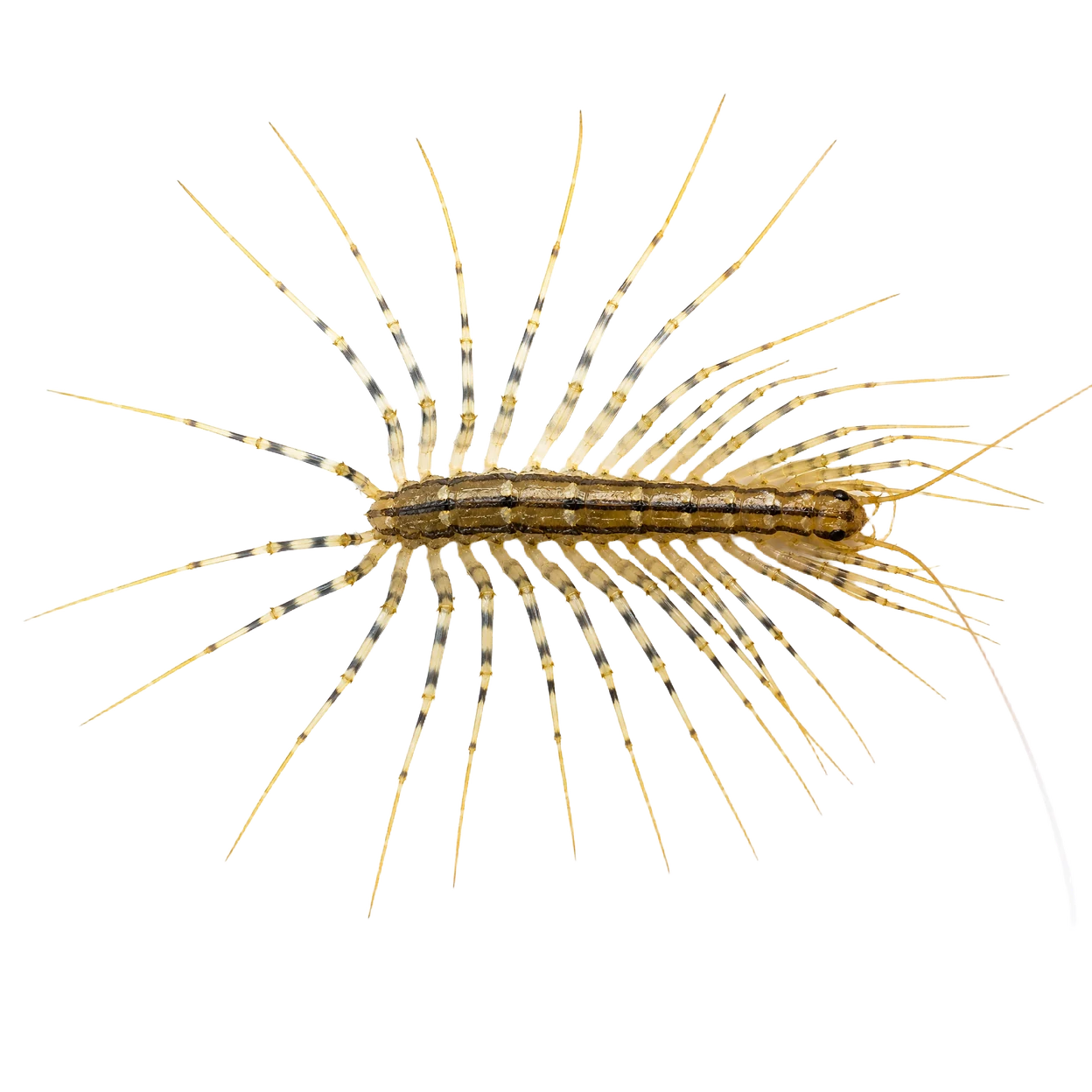
The house centipede is actually a predator. It feeds on ants, spiders, bed bugs, silverfish, earwigs and other small insects. If you have centipedes, it means their food supply is plentiful. Their presence in numbers indicates a significant population of prey insects in your home.
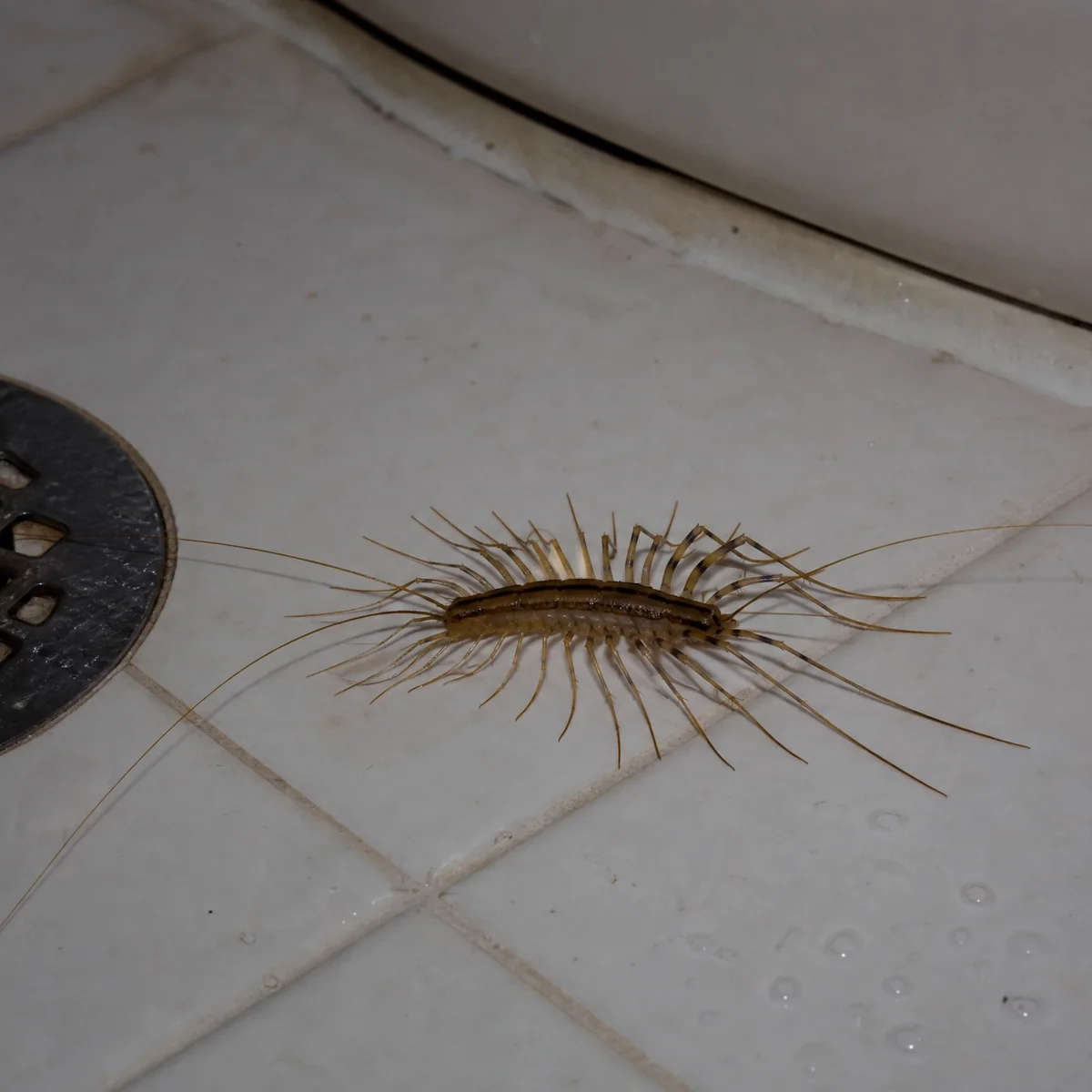
We don't just look for centipedes. We identify what's attracting them: which prey insects are present, where the moisture is coming from, and how everything is getting in.
Application of residual products in activity zones (basement, foundation, drains, cracks). Exterior perimeter treatment to cut off entry points.
If the centipede population is significant, there's an underlying insect problem to address. We tackle the source.
Advice to reduce moisture: dehumidifier, crack repair, drainage improvement, crawl space ventilation.
The house centipede can bite if handled directly, but this is rare and comparable to a mild bee sting. It is not aggressive toward humans. No dangerous venom, no disease transmission. It's a nuisance pest — their appearance and speed bother people far more than any real risk.
Centipedes are nocturnal. They actively hunt at night and hide during the day in cracks, under objects and in dark corners. If you're seeing them regularly during the day, the population is likely significant.
An isolated individual is normal — centipedes occasionally enter from outside. But if you're seeing several per week, a population has established itself and prey insects are abundant in your home.
Yes. Reducing relative humidity below 50% in the basement makes the environment much less attractive to centipedes AND the insects they feed on. It's often the most effective long-term preventive measure.
Over-the-counter insecticides kill visible individuals but don't control an established population. A professional residual treatment, combined with moisture management and prey elimination, delivers lasting results.
Outaouais
Gatineau, Hull, Aylmer, Buckingham, Chelsea, Wakefield
Ottawa and area
Bilingual service across the river
Laurentians
MRC Antoine-Labelle, Mont-Laurier, Rivière-Rouge, cottages and forested properties
Free estimate. Treatment and prevention. We tackle the source.