
Business hours
- Monday [8 a.m. - 5 p.m.]
- Tuesday [8 a.m. - 5 p.m.]
- Wednesday [8 a.m. - 5 p.m.]
- Thursday [8 a.m. - 5 p.m.]
- Friday [8 a.m. - 5 p.m.]
- Saturday [10 a.m. - 4 p.m.]
- Sunday [10 a.m. - 4 p.m.]
Insects we treat
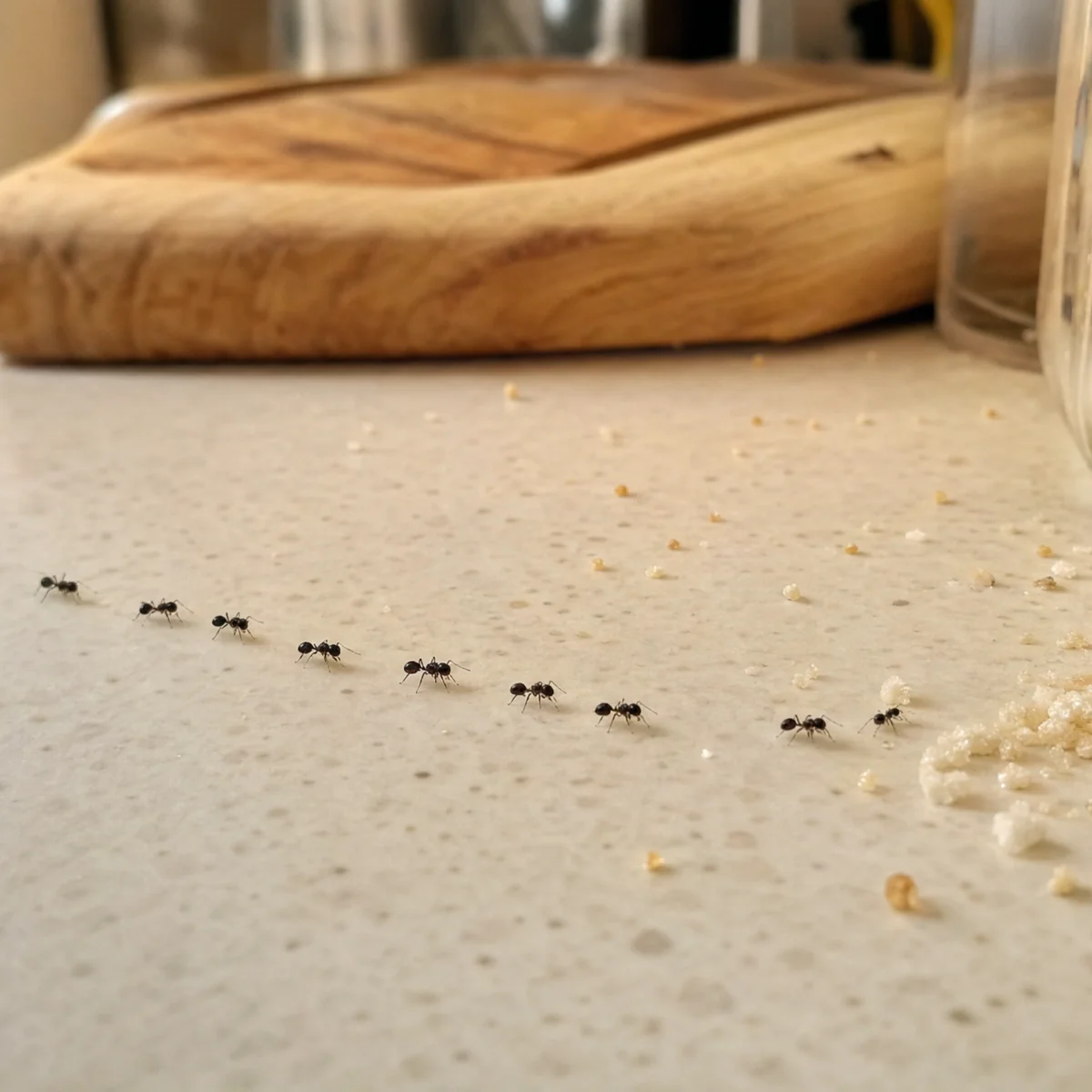
You see a line of ants crossing your kitchen. Or fine sawdust at the base of a load-bearing wall. Or ants appear every spring, no matter what you try.
Ants are one of the most common pests in the Outaouais — and one of the most poorly treated. The classic mistake: treating the visible ants instead of the colony. Result: they come back. Always.
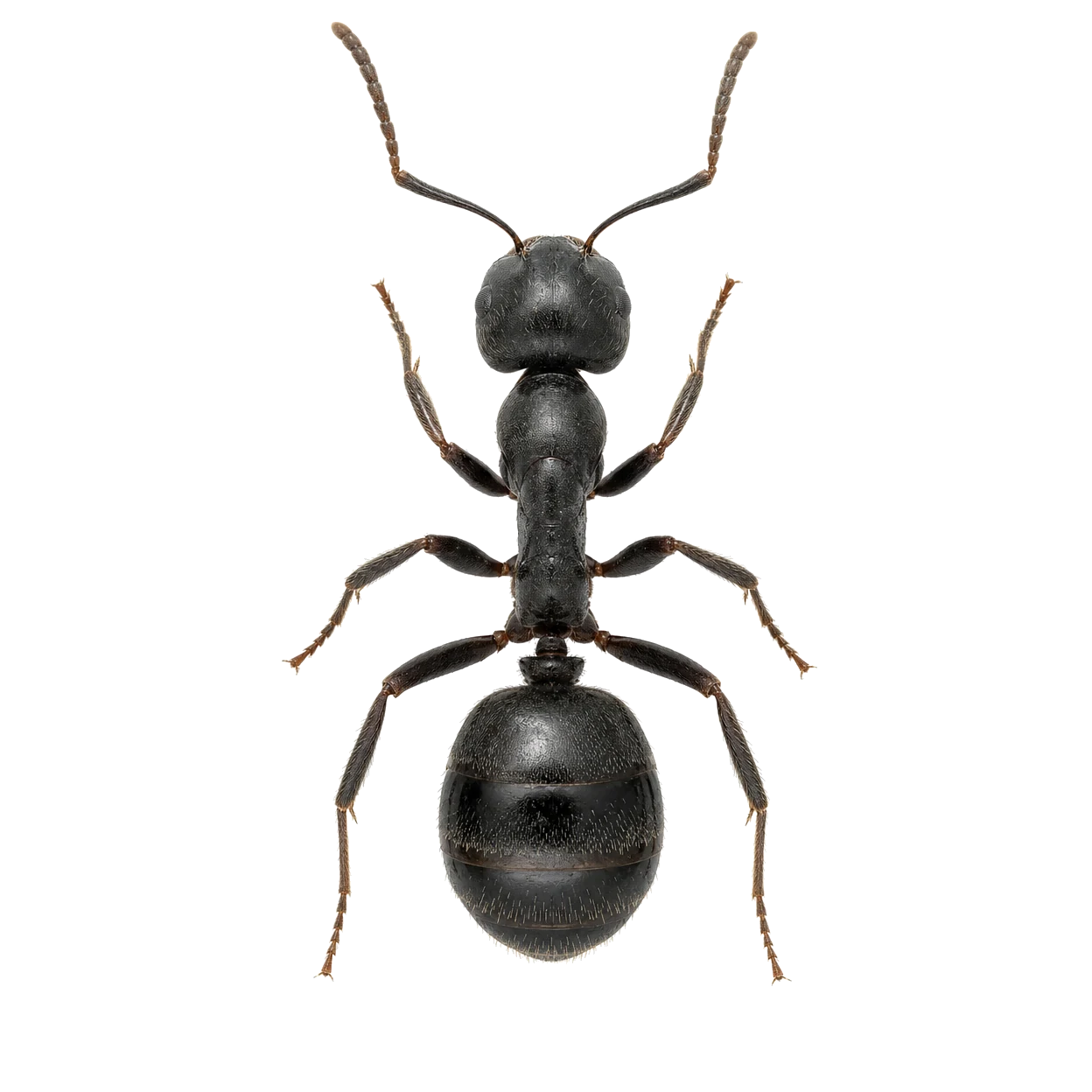
This is where expertise makes the difference. Off-the-shelf products don't distinguish between species — and the wrong treatment can make the problem worse (especially with pharaoh ants, which fragment into multiple colonies when stressed).
This is the first and most critical step. Treatment depends entirely on the species.
The visible ants are only 10% of the colony. We find the nest.
Baits, residual treatments, or injection treatments depending on species and location. Health Canada-approved products.
Sealing entry points, recommendations to reduce attractants.
Yes. They don't cause visible damage for months, sometimes years. By the time you see the signs, the colony is often well established. A professional inspection detects the problem before it becomes structural.
Off-the-shelf products kill visible ants but don't reach the queen or the colony. For pharaoh ants, a contact insecticide causes colony fragmentation — you go from 1 colony to 5.
Send us a photo. Our technicians identify the species quickly. Size, colour, and behaviour allow for a reliable diagnosis.
As soon as you see winged ants indoors (sign of a mature nest in the structure), unexplained fine sawdust, or ants that keep returning despite your efforts. The sooner we intervene, the less invasive the treatment.
Outaouais
Gatineau, Hull, Aylmer, Buckingham, Chelsea, Wakefield
Ottawa and area
Bilingual service across the river
Laurentians
MRC Antoine-Labelle, Mont-Laurier, Rivière-Rouge, cottages and forested properties
Free inspection. Species identification. Guaranteed treatment.
Mickaël, André or Daniel will identify the species and give you an action plan. Send a photo for a first assessment.